
Do not Disturb
Mental Health Tip: Unplugging

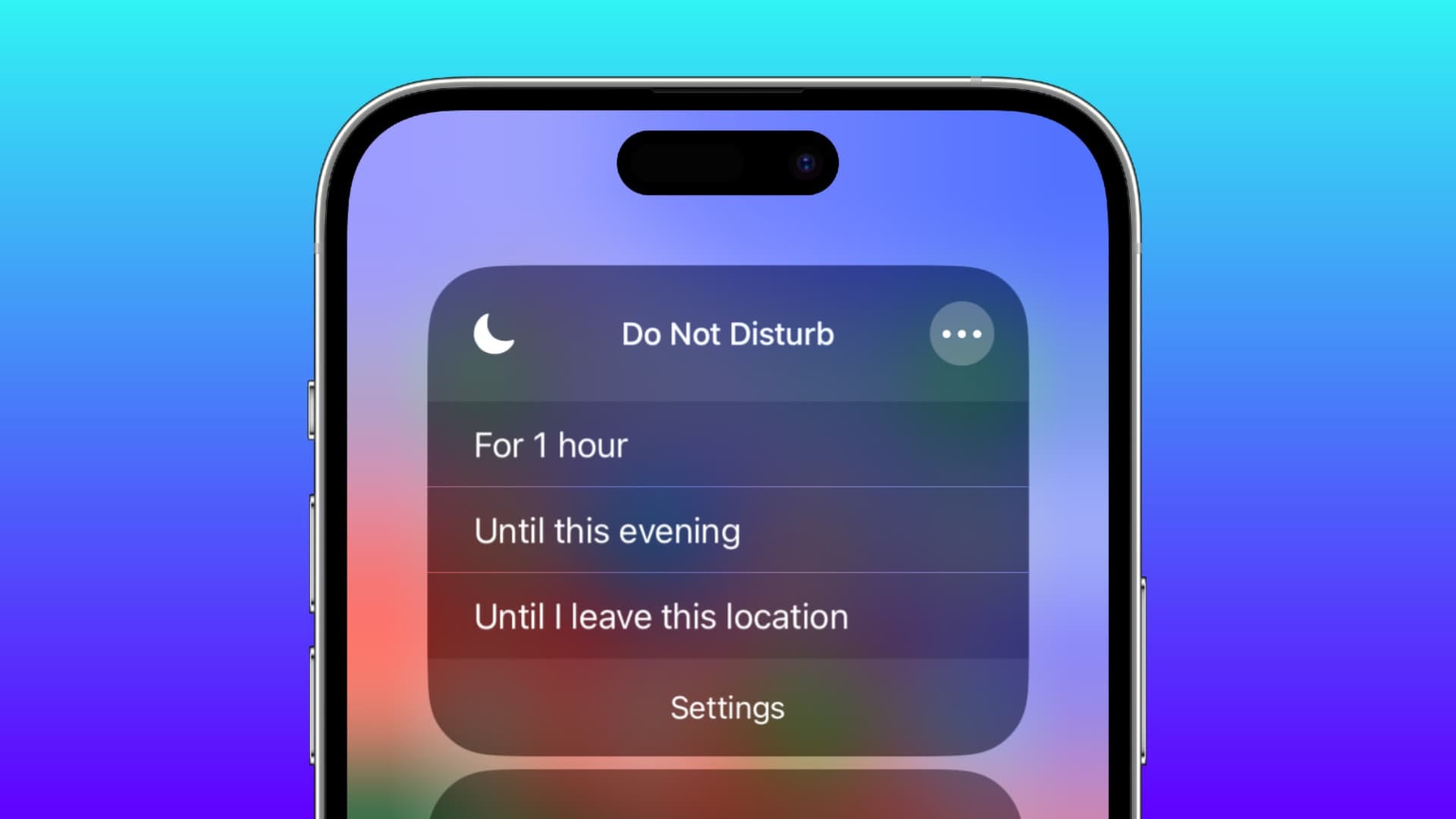
When I was in graduate school at Harvard Divinity School, a fellow student and colleague of mine, Casper ter Kuile notified his friends that he observed a “Tech Sabbath” on the weekends from Friday evening to Sunday evening and let us know he didn’t check his email or phone during that time every week. This stood out to me as an interesting way to resist the bombardment and addictive quality of scrolling social media platforms, watching short-form video content such as reels on Insta, and the unending notifications of the digital age. By his observing a Tech Sabbath, he gave us other grad students permission to do so as well. (Side note, Casper went on to create a really interesting podcast called Harry Potter and the Sacred Text with appearances on NPR with another colleage from Divinity School, Angie Thurston. Check it out!) But Casper also inspired me not only to unplug but in a subtle or not so subtle way, that it was ok to not always be available or responsive.
This is a huge takeway that I share with new parents. In order to respond to your body’s cues and your new baby, you have permission to take a major raincheck from the outer world of responsiveness. When I studied Ayurvedic medicine, I learned about the sacred window of the first 40 days after birth, when the childbearing parent and baby need a ton of rest and minimal activity. It is like a 40-day“Do not Disturb” message to the community when a baby is born. One of the biggest stresses I hear from parents with the age of smartphones, is that it would be impolite and rude to not respond as quickly as possible to work emails, text messages from family and friends, etc. The advent of smartphones created an implicit social norm that all of us should be available anywhere at all times from our bathrooms to airplane rides to an hour before surgery in the operating room to right before we go to bed and even in the middle of the night when our loved ones and friends reach out. Its an absurd ask and one that I help parents to actively resist with minimal shame.
When I work with families in my practice, I often hear the that they feel torn a lot. Parents feel torn between wanting more autonomy but also wanting to be there for their kids. Parent attention is divided between work and home life. Even if parents work from home, there can be the feeling of a never ending list of tasks and an incessant feeling of guilt that they aren’t present or enjoying time playing with their kids.
Unplugging is one of the best ways I have found to encourage clients struggling with ADHD, sleep disturbances, anxiety, or parents feeling distant or at a loss with their kids. When kids are struggling with really challenging behaviors at school or home, often plugging back into the connection requires unplugging from the dizzying and neverending distraction of the digital age. At first, it might be just silencing all notifications during dinner hour 3-4 nights a week, so that you can focus on what is in front of you. When life is really chaotic, I encourage clients to take a whole day off and turn the phone completely off. A weekend off can feel like a real retreat. Try not driving anywhere and make meals super simple so you have time to sit down on the floor and be with your kids and your own inner kid.
For sleep disturbances and insomnia, I suggest clients plug their phones into the wall in the kitchen and practice not taking their phone into their bedroom any longer. They often start to turn their phones off earlier at first by 8 or 9 pm but eventually even earlier to 5 pm each night. The lack of blue light and scrolling in bed can do wonders for reducing anxiety and insomnia.
Sometimes clients share with me that they don’t know what they would do if they weren’t on their phone. This is a real fear for many people. When I searched online for books about unplugging, I found a ton of recent ones including “Unplug: how to break up with your phone and reclaim your life” by Richard Simon, “Digital Minimalism” Choosing a focused life in a noisy world” by Cal Newport, and “How to break up with your phone” by Catherine Price. So, this isn’t a new idea, but it perhaps takes some practice to make unplugging feel like a relaxing afternoon rather than something punitive and punishing. When clients are scared to unplug, I suggest they start small maybe with 30 minutes to an hour of focused unplugging and build up from there.
Here are a few simple ways to unplug that might make it a little more fun and easier to do with kids:
-Make unplugging during the “witching hour” with kids (usually sometime between 5-9 pm) a relaxation night—make bathtime with your kids a time for you to relax too—-read stories, drink a favorite cup of tea, put your feet in a bucket and add some warm water and epsom salts to soak and replenish rather than scrolling on your phone. Massage your feet and give some massage lotion or oil to your kids to massage your feet as well! Yes your feet! If there is time, and there will be a lot more time than there normally is because you won’t be on your phone, you can massage their feet too. Kids like to feel helpful when they can. Even toddlers can do this.
-Turn off your phone at dinner and have your kids cook with you in some way. They can peel veggies, cut up fruit, etc if they have your attention.
-Take a walk as a family and look for 5 new things you didn’t notice in your neighborhood now that you are off your phone. Take a few favorite rocks or leaves home with you. Make something with what you brought home. It could be as simple as arranging the leaves on a table.
-If you don’t really want to get on the floor and play with your kids during unplugging, consider just sitting on the floor next to them and following your breath and even reading your own book next to them. As you start to relax your kids will pick up on this and it may make them start to relax too.
-If you are used to watching TV while eating dinner, consider listening to an audio book together, doing a puzzle, drawing, playing a board game, playing with legos during dinner. You don’t have to make conversation when you are already exhausted from being plugged in all day, you can let things naturally unfold. Boredom is a really good thing its the start of creativity IMHO. Quiet with no words can be a wonderful thing as well to stop the incessant chatter inside the brain.
Cheering you on from the Third Space!
.
Love this! Great reminders thanks :) I once heard someone suggest having a separate “bedtime for your phone” that is earlier than your own bedtime and really liked that concept