
Easy does it.
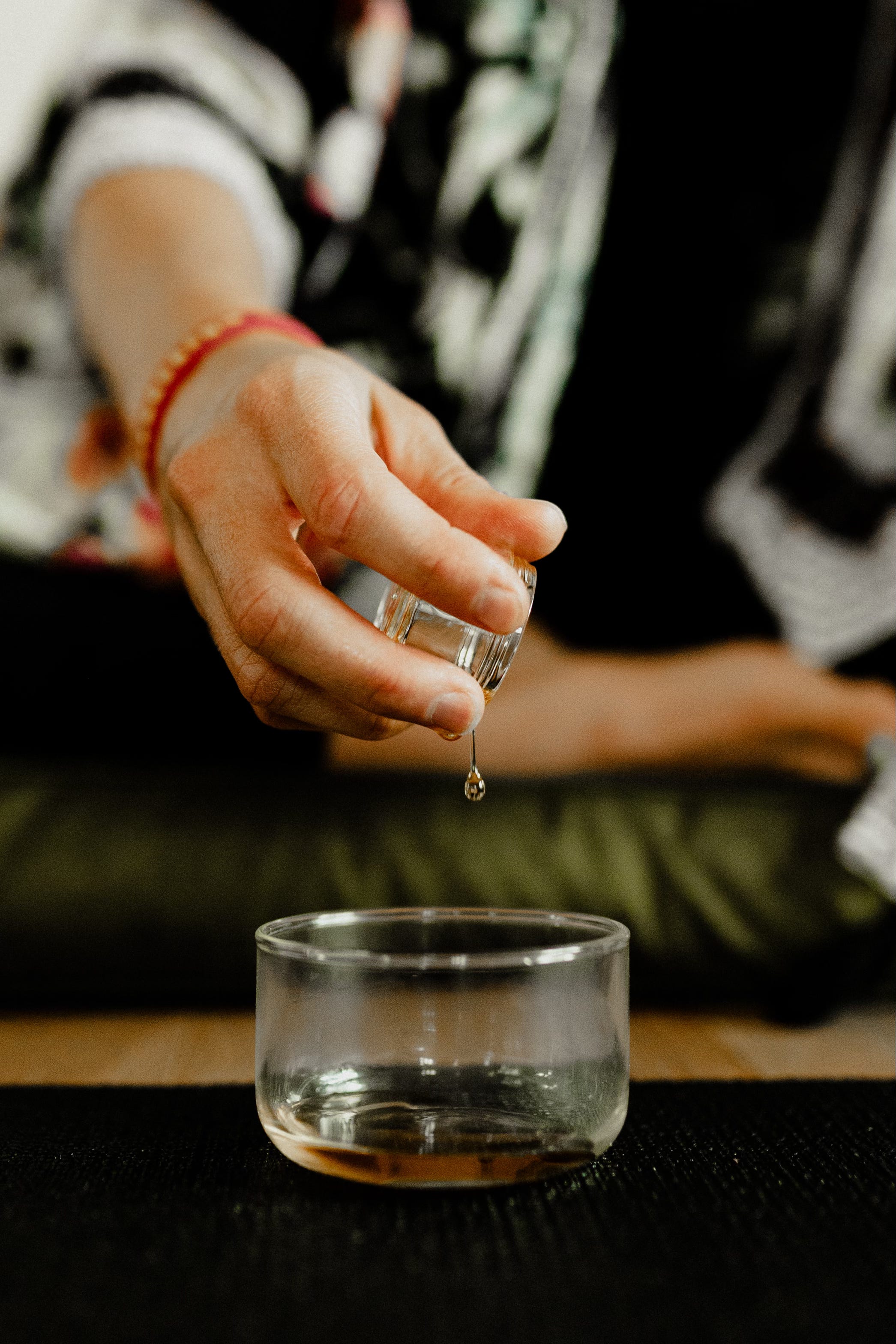
Mental health tip: One drop of Loving kindness and Being

When I first started delving more seriously into meditation over a decade ago, I went to a weekend workshop with my partner in New Hampshire with two meditation mentors in the field, Bill and Susan Morgan. I was struck by the ways they embodied their practice during the workshop. Bill had a playful style and a sense of humor and Susan had an embodied presence and a knowing smile that radiated throughout the room. One of the phrases Susan would say often to us in the workshop was “easy does it.” She would say this with a nodding of her head and a deep sense of kindness. She emphasized that “easy does it” was a way to ease into formal seated practice while approaching our bodies and minds with a deep sense of care. Easy does it included stretching and movement before sitting and it brought a gentleness much needed to moments when we were observing silence during the weekend.
In Sanskrit, the phrase Maitri, or in Pali, Metta, means loving kindness. This loving kindness is very important and it embodies a friendliness towards ourselves and others in the world we are living in. Most of my clients come to my office looking to be rid of certain habits, trauma, old patterns, total detox of relationships that no longer serve, etc. They often want to be totally free of “it” whatever the suffering is. Over the years of working alongside people, I have noticed that small shifts often work more effectively than broad sweeping goals. With an “easy does it” approach, I often encourage taking in a small drop of loving kindness towards ourselves and in doing so the effects do ripple out, but in a digestible way…
Recently, our clinical team met with Dr. Henry Emmons, an integrative psychiatrist whose books “Chemistry of Calm” and “Chemistry of Joy” have supported many of my clients. His holistic approach to mental health includes supplements and food to bring balance in the body and mind, I was struck by his gentleness and “easy does it approach”. He emphasized an individuals’s inborn resilience has been thrown off when they come to therapy and as clinicians we are supporting clients to become closer to their natural selves. But how do we do this for adolescents who are currently bombarded with pings and notifications and endless activities of doing after school?
I know it is perhaps cliche to say this, but I think a good place to start is with an attitude of kindness towards ourselves. We are after all human beings not human doers. Dr Emmons emphasized the importance of low tech activities for adolescents and kids during our high-paced “doing” world such as:
-Turning smartphones off
-Yoga
-Meditation
-1 hour breaks from social media
-20 minutes of doing nothing/letting the mind wander
This last suggestion of doing nothing I think is very interesting and supportive for teens and kids. The brain needs space to rest and heal. If we are constantly doing, we have little time for rest and sleep and just plain wandering of the mind. Deep sleep is key for recovery, resilience, and daytime performance.
When clients share with me a list of activities they are doing for self growth and how they are plotting and planning and scheduling them out over the course of the entire week, they are often very proud and excited for radical change to start taking place. I often say, this is great but where are your “just being” activities? That often gets a perplexing response. What do you mean by “being” activities? I emphasize being activities, I guess it is kind of a paradox to call them being activities when they are more like being experiences, but I emphasize them because they embody a sense of kindness towards ourselves not focused on outer performance or activity but inner awareness. Being activities are helpful for long-term growth, such as sipping a cup of coffee on a Sunday morning and staring out the window in silence listening to the birds outside your window. Being activities are having a Saturday with no plans except to follow what sparks your joy. Being activities are resting on a couch with your kids and modeling for them what it’s like to relax while following your exhale under snuggly covers. Or putting some warm oil on your hands and feet before going to bed.
What being activities are you going to do this week?
Supplement of the week to share: Magnesium L-Threonate powder, a powerful form of Magnesium (often people take Magnesium Citrate or Glycinate) but the L-Threonate form is especially helpful for mental health because it crosses the blood-brain barrier (BBB).
Wishing you a restful week!
Loved this and will try to more often remember that we are not “human doers”but human beings.